Backpack Glyph Icon: A Guide for Designers
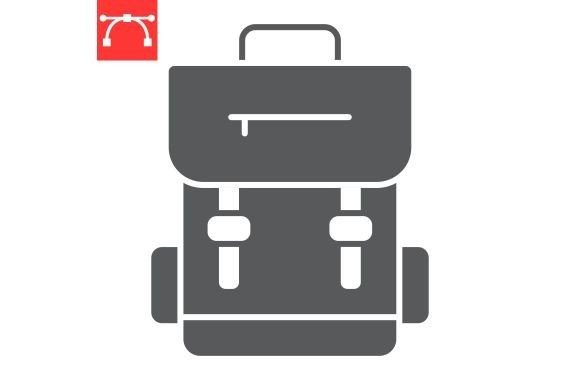
In the visual language of modern digital interfaces, simplicity often speaks louder than complexity. The Backpack Glyph Icon serves as a prime example of this principle. At its core, a glyph icon is a simplified, monochromatic representation of an object, stripped of unnecessary detail to ensure instant recognition at small sizes. When applied to the concept of a backpack, this design approach creates a versatile symbol that transcends mere aesthetics, functioning as a critical navigational aid and thematic marker across various platforms.
Understanding the utility of a school bag vector icon requires looking beyond the image itself. It is about how different users interact with visual data. For a web developer, it is a piece of code or an asset that must load quickly. For an educator, it represents organization and preparedness. For a marketer, it is a brand signifier. This article explores how the backpack glyph icon serves these diverse needs, focusing on its technical attributes like editable strokes and solid signs, and its practical applications in school and education contexts as well as broader commercial uses.
The Technical Advantage of Vector Graphics
One of the primary reasons designers and developers prefer vector formats for icons is scalability. Unlike raster images, which pixelate when enlarged, vector graphics maintain crisp edges at any size. This is particularly important for a backpack glyph icon, which may need to appear as a tiny favicon in a browser tab or as a large graphic on a landing page. The mathematical precision of vectors ensures that the silhouette remains clean and professional regardless of the display medium.
When working with files such as eps 10, users gain access to a high degree of flexibility. EPS (Encapsulated PostScript) is a standard file format for vector graphics that is widely supported by professional design software. The "10" refers to the compatibility version, ensuring that the file can be opened and edited in older versions of software, which is crucial for teams using varied tech stacks. This backward compatibility makes the backpack glyph icon a safe choice for collaborative projects where not every participant has the latest software updates.
Furthermore, the distinction between an editable stroke and a solid sign offers creative control. An editable stroke allows designers to adjust the line weight of the icon. This is vital for maintaining visual harmony within an icon set. If a website uses thin, elegant lines for its navigation menu, a thick, bold backpack icon would look out of place. By adjusting the stroke, the designer can match the icon’s weight to the surrounding typography and other interface elements. Conversely, a solid sign provides a bold, high-contrast option that works well for call-to-action buttons or mobile app interfaces where touch targets need to be clearly visible.
Perspectives from Education and Academia
For educators and institutions, the backpack is a universal symbol of learning. In the context of school and education, a backpack glyph icon is not just a decorative element; it is a functional tool for organizing digital resources. Learning Management Systems (LMS) often use this icon to represent student portfolios, downloadable resources, or supply lists. The clarity of a glyph style ensures that students of all ages, from elementary school children to university adults, can instantly identify the section related to their materials.
Teachers creating digital worksheets or interactive presentations also benefit from using high-quality vector icons. Because these graphics are scalable, they can be printed on handouts without losing quality, or embedded in slide decks that might be projected on large screens. The simplicity of the glyph style reduces cognitive load, allowing students to focus on the content rather than deciphering complex illustrations. For special education contexts, clear, uncluttered icons can be particularly helpful for learners who benefit from straightforward visual cues.
Value for Creators and Small Business Owners
Entrepreneurs and small business owners in the retail sector, particularly those selling stationery, travel gear, or educational toys, find immense value in having access to customizable icons. A school bag vector icon can be integrated into product packaging, website headers, or social media graphics. The ability to edit the stroke and color means that the icon can be adapted to fit specific brand guidelines without hiring a graphic designer for minor adjustments.
For bloggers and content creators in the parenting or lifestyle niches, these icons serve as visual breaks in long-form text. They help structure articles about back-to-school tips, travel packing lists, or study hacks. Using a consistent icon set, including a backpack glyph, enhances the professional look of a blog and improves user engagement. The eps 10 format ensures that these assets remain useful even if the creator upgrades their design software years down the line, offering long-term usefulness and cost efficiency.
Considerations for Developers and UX Designers
User Experience (UX) designers prioritize speed and reliability. A glyph icon, being simple and often consisting of fewer anchor points than a detailed illustration, results in smaller file sizes. This contributes to faster page load times, a critical factor for SEO and user retention. When a backpack icon is used in a mobile app to indicate a "load more" or "resources" section, it must render instantly. Vector formats allow for this efficiency while maintaining sharpness on high-resolution retina displays.
Developers also appreciate the ease of implementation. Many modern CSS frameworks allow for the manipulation of SVG (Scalable Vector Graphics) properties directly in the code. Since an EPS file can be easily converted to SVG, the editable stroke feature translates into code-friendly attributes. This means a developer can change the color or thickness of the backpack icon via CSS, enabling dynamic changes based on user interaction, such as hovering or clicking, without needing multiple image files.
Making the Right Choice for Your Project
Deciding whether a Backpack Glyph Icon is the right asset for your project depends on your specific goals and audience. If you are designing for a luxury brand, you might prefer a minimalist, thin-stroke version to convey elegance. If you are creating an app for young children, a solid, bold sign might be more appropriate for its visibility and playful appearance. Beginners should look for icons that come with clear documentation on how to edit strokes and colors, while professionals may prioritize the precision of the vector paths and compatibility with their existing workflow.
Ultimately, the versatility of the backpack glyph icon lies in its balance between form and function. It is a recognizable symbol that carries cultural associations with education, travel, and preparation. By leveraging the technical benefits of vector graphics and the flexibility of formats like eps 10, users across various fields can enhance their visual communication. Whether you are an educator organizing digital classrooms, a marketer building a brand identity, or a developer optimizing interface performance, understanding the nuances of this simple icon can lead to more effective and engaging designs.
As digital interfaces continue to evolve, the demand for clear, scalable, and adaptable visual elements remains constant. The backpack glyph icon stands as a testament to the power of simplified design. By choosing the right style—whether editable stroke or solid sign—and utilizing the correct file formats, you ensure that your visual assets are not only aesthetically pleasing but also technically robust and fit for purpose. This thoughtful approach to design assets supports better user experiences and more efficient workflows, benefiting creators and consumers alike.