Evaluating the Education Logo with Book and Pencil Vector for Academic Branding
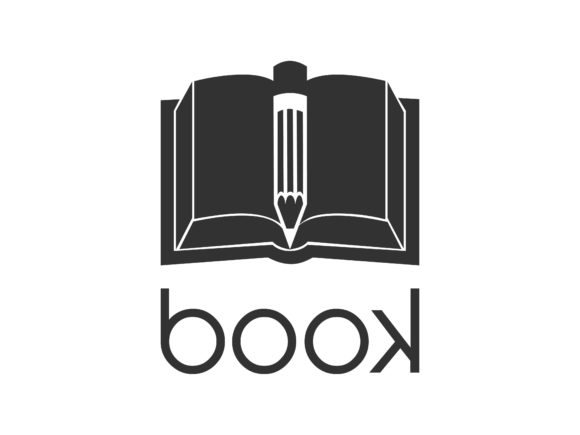
In the competitive landscape of educational services, visual identity serves as the first point of contact between an institution and its prospective students. Among the myriad design choices available, the Education Logo with Book, Pencil Vector remains a cornerstone of academic branding. This specific combination of imagery is not merely decorative; it functions as a universal shorthand for learning, literacy, and intellectual growth. For educators, administrators, and marketing professionals in the education sector, understanding the nuances of this design asset is crucial for building a credible and recognizable brand.
The enduring popularity of this motif stems from its clarity. A vector-based illustration featuring an open book and a writing instrument communicates the core mission of schools, universities, tutoring centers, and online learning platforms instantly. Unlike abstract symbols that require explanation, the book and pencil are immediately understood across cultural and linguistic barriers. This article examines the practical value, design flexibility, and strategic application of these vector assets in modern educational marketing.
The Strategic Value of Vector Formats in Institutional Design
When selecting a logo template or commissioning a custom design, the file format is as important as the aesthetic. The term "vector" refers to graphics created using mathematical paths rather than pixels. This distinction is vital for educational institutions that must apply their branding across a wide variety of media. An Education Logo with Book, Pencil Vector can be scaled from the size of a favicon on a website to a massive banner on a university campus without any loss of quality.
For small business owners and startup educators, this scalability offers significant long-term value. You do not need to commission multiple versions of your logo for different uses. Whether you are printing business cards, designing textbooks, creating social media icons, or producing graduation diplomas, the single vector file ensures consistency. This reliability reduces production costs and eliminates the frustration of pixelated images in professional presentations. Furthermore, vector files are typically smaller in file size compared to high-resolution raster images, which contributes to faster loading times on educational portals and websites.
Symbolism and Psychological Impact
The components of this design carry deep semantic weight. The book represents knowledge, history, and the accumulation of wisdom. It suggests a structured approach to learning and respect for literature and science. The pencil, or sometimes a pen, symbolizes the active process of studying, creation, and assessment. It implies that education is not passive; it requires effort, drawing, writing, and engagement.
When combined, these elements create a balanced narrative. The open book invites the viewer in, suggesting accessibility and transparency, while the pencil indicates rigor and academic standards. For parents choosing a school for their child, or adult learners selecting a certification course, this imagery evokes a sense of trust and tradition. It aligns with the expectations of what an academic environment should look like: organized, serious, yet inviting. Designers often enhance this effect by incorporating subtle elements such as a graduation cap, a globe, or abstract lines that suggest movement and progress, further reinforcing the theme of global learning and achievement.
Versatility Across Educational Niches
One of the strongest attributes of the Education Logo with Book, Pencil Vector is its adaptability. While the core elements remain constant, the style can be modified to suit various educational niches:
- Early Childhood Education: Designs for preschools and kindergartens often use thicker lines, brighter colors, and softer shapes. The pencil might be depicted as a crayon, and the book may appear more cartoonish to appeal to children and reassure parents of a nurturing environment.
- Higher Education and Universities: For colleges and universities, the design tends toward minimalism and sophistication. Serif fonts, monochromatic color schemes, and precise geometric lines convey authority and prestige. The vector elements are often simplified into abstract icons that serve as sophisticated seals or crests.
- Online Learning and EdTech: Digital platforms benefit from flat, clean designs that look good on mobile screens. Here, the book and pencil might be integrated with digital motifs, such as pixels or circuit lines, to bridge the gap between traditional study and modern technology.
- Tutoring and Test Prep: These businesses often emphasize results and improvement. A dynamic composition where the pencil appears to be writing or checking off items can suggest progress and success, appealing to students focused on grades and exams.
Practical Considerations for Implementation
While the concept is strong, execution determines effectiveness. When utilizing a pre-made template or working with a designer, several factors must be considered to ensure the logo performs well in real-world scenarios.
Simplicity is Key. A common mistake is overcomplicating the vector with too many details. Intricate illustrations of library shelves or complex scientific instruments can become illegible when shrunk down for a mobile app icon or a social media profile picture. The most effective Education Logo with Book, Pencil Vector designs use negative space and clean lines to maintain clarity at any size.
Color Psychology. Blue is frequently used in educational branding because it conveys trust, intelligence, and calm. Green suggests growth and harmony, while orange or yellow can evoke energy and creativity. However, relying solely on color is risky. A strong vector design should work effectively in black and white. This ensures that the logo remains recognizable in photocopies, faxes, or single-color print runs, which are still common in administrative documents and worksheets.
Typography Integration. The icon is only half of the brand identity. The font chosen to accompany the book and pencil graphic must complement the style. A handwritten script might pair well with a playful elementary school logo, while a bold sans-serif typeface suits a modern tech-training institute. Ensuring that the text and the vector graphic are balanced creates a cohesive visual unit.
Limitations and Differentiation Strategies
Despite its strengths, the ubiquity of the book and pencil motif presents a challenge: saturation. Because this imagery is so widely used, there is a risk of blending in with competitors. To mitigate this, creators and marketers must focus on unique stylistic twists. This could involve unconventional angles, unique color palettes, or integrating the initials of the institution into the shape of the book or pencil.
Additionally, organizations with a highly specialized focus may find the generic nature of this symbol insufficient. A coding bootcamp, for instance, might prefer a logo that incorporates binary code or a cursor, while a music school would benefit more from musical notes. In such cases, the book and pencil can serve as a secondary element or be heavily stylized to reflect the specific discipline, ensuring the brand remains relevant to its target audience.
Conclusion
The Education Logo with Book, Pencil Vector endures as a fundamental tool in academic branding because it effectively communicates the essence of learning. Its strength lies in its universal recognition, scalability, and psychological resonance with students and parents alike. For professionals in the education sector, leveraging this design requires a balance of tradition and innovation. By focusing on clean vector execution, appropriate color usage, and distinct typography, institutions can create a visual identity that is both familiar and unique. Whether for a local bookstore, a global university, or an online tutoring service, this classic combination remains a reliable foundation for building trust and conveying academic excellence.