Integrating Book Kid Girl Vector Illustrations into Modern Educational Design
In the rapidly evolving landscape of digital content creation, visual communication has become a cornerstone of effective engagement. Whether designing for e-learning platforms, publishing children’s literature, or crafting marketing materials for educational institutions, the choice of imagery can significantly influence how an audience perceives and interacts with the material. Among the myriad of visual assets available, the book kid girl vector has emerged as a particularly versatile and impactful element. This specific type of illustration, often characterized by a young female student engaged in reading or studying, encapsulates themes of curiosity, joy, and academic growth. By leveraging high-quality vector graphics, designers and educators can create cohesive, scalable, and emotionally resonant visual narratives that appeal to a broad demographic.
The Strategic Value of Vector Graphics in Educational Media
Understanding why vector formats are preferred over raster images is essential for anyone involved in digital design. Unlike JPEGs or PNGs, which are composed of pixels and can lose quality when resized, vector graphics are built using mathematical paths. This fundamental difference means that a child read illustration can be scaled from a tiny icon on a mobile app to a massive banner on a classroom wall without any loss of clarity or sharpness. For professionals working across multiple platforms, this scalability is not just a convenience; it is a necessity.
Furthermore, vector files such as EPS allow for extensive customization. A designer can easily adjust colors to match a brand’s palette, modify line weights for different printing techniques, or isolate specific elements like the book or the character’s expression. This flexibility ensures that the happy school study theme remains consistent with the overall aesthetic of the project, whether it is a corporate training module or a public library campaign. The ability to tweak these elements without starting from scratch saves time and resources, making vector illustrations a cost-effective solution for long-term projects.
Psychological Impact of Character-Driven Imagery
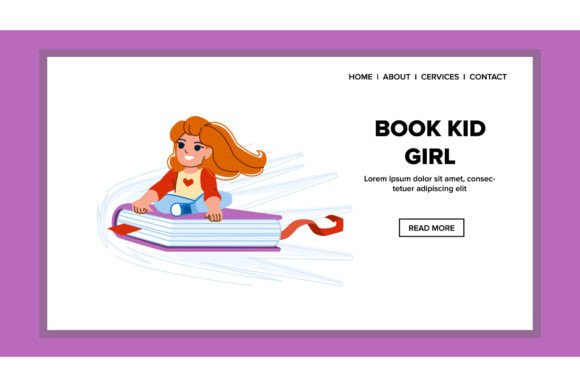
The depiction of a young girl reading is more than just a decorative choice; it carries significant psychological weight. Images of children engaged in learning activities trigger positive associations with education, safety, and future potential. When users see a young education book kid girl web flat cartoon illustration, they often subconsciously connect the content with accessibility and friendliness. This is particularly important in educational technology, where reducing anxiety and increasing engagement are primary goals.
The "flat cartoon" style, which is popular in contemporary web design, further enhances this effect. Flat design removes unnecessary textures and shadows, focusing instead on clean lines and bold colors. This simplicity reduces cognitive load, allowing the viewer to process the message quickly. For a child read scenario, this means the focus remains on the act of learning itself rather than being distracted by overly complex artistic details. The result is a clear, direct visual cue that communicates the value of education in an approachable manner.
Diverse Applications Across Industries
The utility of a book kid girl vector extends far beyond traditional textbook covers. Its adaptability makes it suitable for a wide range of industries and use cases. Below are several key areas where these illustrations add significant value:
- E-Learning Platforms: Online courses benefit greatly from friendly, relatable imagery. Using a vector of a student reading can help humanize digital interfaces, making remote learning feel less isolated and more community-oriented.
- Publishing and Literature: Children’s books and educational guides often require cover art and interior illustrations that capture the imagination. A well-designed vector character can become a recurring mascot, building brand recognition and loyalty among young readers.
- Non-Profit and NGO Campaigns: Organizations focused on literacy and education funding can use these images to evoke empathy and support. The visual of a happy student studying serves as a powerful testament to the impact of donations and volunteer efforts.
- Corporate Training and HR: Even in professional settings, the concept of lifelong learning is crucial. Adapting the young education theme to suit a corporate context can help emphasize company values around growth, development, and knowledge sharing.
Technical Considerations: JPG vs. EPS Formats
When acquiring or creating these assets, understanding the differences between file formats is critical. Most providers offer both JPG and EPS versions, but they serve distinct purposes. JPG files are raster images, ideal for quick web uploads where editing is not required. They are universally compatible and easy to share, making them suitable for blog posts, social media updates, or email newsletters. However, they lack the scalability and editability of vectors.
On the other hand, EPS (Encapsulated PostScript) files are the gold standard for professional design work. An EPS file containing a book kid girl vector allows designers to open the image in software like Adobe Illustrator or CorelDRAW and manipulate every anchor point and color fill. This is essential for print production, where high resolution and color accuracy are paramount. For instance, if a school district wants to print banners for a literacy fair, the EPS format ensures that the text on the book cover or the details of the girl’s clothing remain crisp and legible, regardless of the print size.
Best Practices for Implementation
To maximize the effectiveness of these illustrations, creators should adhere to certain best practices. First, consistency is key. If a project uses a flat cartoon style, all accompanying visuals should follow the same design language. Mixing realistic photos with flat vectors can create a disjointed user experience. Second, consider inclusivity and representation. While the specific asset may feature a girl, ensuring that the broader visual ecosystem includes diverse characters helps create a more welcoming environment for all users.
Additionally, pay attention to color psychology. Blue and green tones often convey trust and growth, while warmer colors like yellow and orange can evoke energy and happiness. Adjusting the hues in a happy school study illustration can subtly influence the mood of the content. For example, a calming blue might be appropriate for a meditation or focus app, whereas a vibrant orange could be better suited for a creative writing workshop promotion.
Enhancing User Experience Through Visual Storytelling
Visuals are not merely decorations; they are integral components of storytelling. A young education book kid girl web flat cartoon illustration can guide the user’s eye through a webpage, break up dense text, and reinforce key messages. When used strategically, these images can improve readability and retention. For instance, placing an illustration of a child reading next to a section about the benefits of early literacy creates a strong mental link for the reader.
Moreover, these vectors can be animated for digital platforms. Simple movements, such as the turning of a page or a blink, can bring static images to life, increasing engagement rates on websites and apps. This dynamic approach aligns with modern web trends that prioritize interactivity and motion. By starting with a high-quality vector base, animators have the freedom to create smooth, professional animations that enhance the user experience without compromising performance.
Future Trends in Educational Illustration
As technology advances, the demand for high-quality, adaptable visual assets continues to grow. The trend towards personalized learning experiences means that illustrations will need to be even more flexible. Designers may soon use AI-driven tools to automatically recolor or reposition vector elements based on user preferences or accessibility needs. The foundational asset, such as a book kid girl vector, will remain central to this process, serving as the modular component from which countless variations are generated.
Furthermore, the emphasis on emotional intelligence in education suggests that future illustrations will focus even more on expressing nuanced emotions. A simple smile may evolve into more complex expressions of curiosity, determination, or joy. This depth will help create stronger emotional connections between learners and the material, fostering a more profound and lasting impact.
In conclusion, the integration of vector illustrations like the child read motif offers substantial benefits for educators, designers, and businesses alike. By understanding the technical advantages of formats like EPS, recognizing the psychological power of character-driven imagery, and applying best practices in design, professionals can create compelling, effective, and visually appealing content. Whether for a small blog or a large-scale educational platform, these assets provide a reliable foundation for communicating the timeless value of learning and growth.