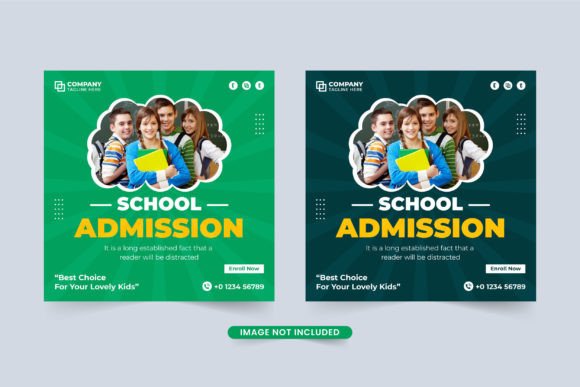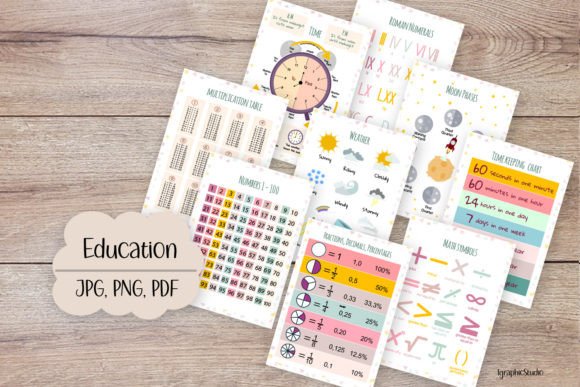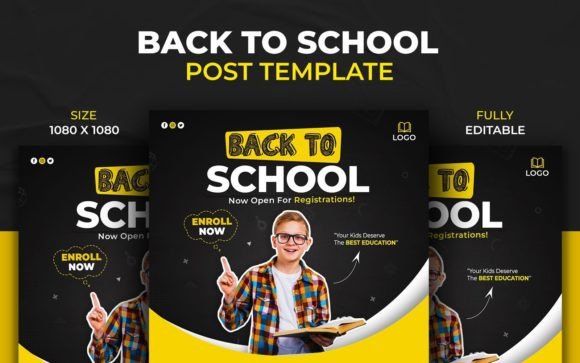
Maximizing Enrollment with a Professional School Admission Social Media Template
In the competitive landscape of modern education, visibility is everything. Parents are no longer just driving around neighborhoods looking for school signs; they are scrolling through Instagram, Facebook, and LinkedIn, searching for institutions that align with their values and educational goals. This shift in behavior has made digital presence a critical component of any enrollment strategy. For administrators, marketers, and design teams within educational institutions, creating high-quality visual content consistently can be a daunting task. This is where a dedicated School Admission Social Media Template becomes an invaluable asset, bridging the gap between professional branding and efficient workflow.
A well-designed template does more than just save time; it ensures brand consistency across all platforms. When prospective parents see a cohesive visual identity, it subconsciously signals stability, professionalism, and attention to detail. These are qualities every parent looks for when entrusting their child’s education to an institution. By utilizing a pre-structured design, schools can focus less on the technical aspects of graphic design and more on the message they want to convey to their community.
Streamlining the Admissions Cycle
The admissions cycle is a high-pressure period for any educational institution. From open house announcements to application deadline reminders, the volume of communication required is immense. Without a standardized approach, social media feeds can become cluttered and inconsistent. A School Admission Social Media Template provides a reliable framework that allows marketing teams to produce content rapidly without sacrificing quality.
Consider the scenario of a sudden change in admission dates or a last-minute open house event. With a fully layered Photoshop PSD file, updating the information is as simple as editing text layers and swapping out images via smart objects. This agility is crucial in real-time marketing. Instead of waiting days for a designer to create a new graphic from scratch, a staff member with basic design knowledge can adapt the existing template in minutes. This speed ensures that critical information reaches parents while it is still relevant, reducing confusion and increasing engagement.
Versatility Across Educational Sectors
While the primary focus is often on K-12 institutions, the utility of these templates extends far beyond traditional schooling. Private tutors, music academies, sports coaching centers, and early childhood daycare facilities all face similar challenges in promoting their services. Each of these sectors benefits from the same core features: clear typography, engaging imagery, and a call to action.
For instance, a boutique music school might use the template to highlight individual instructor profiles or showcase student recitals. The customizable nature of the design allows them to swap out generic school imagery for photos of instruments or performance stages. Similarly, a corporate training provider could adapt the layout to promote professional certification courses. The underlying structure remains effective because it prioritizes readability and visual hierarchy, which are universal principles of good communication regardless of the industry.
Empowering Non-Designers
One of the most significant barriers to effective social media marketing in smaller institutions is the lack of in-house design expertise. Many school administrators or small business owners are experts in education or management, not Adobe Photoshop. A user-friendly template democratizes the design process. By using smart objects, users can drag and drop their own photos into predefined areas, ensuring that images are automatically resized and masked correctly. This eliminates the common frustration of distorted images or misaligned elements.
Furthermore, the use of free fonts in these templates removes licensing hurdles. Institutions do not need to worry about purchasing expensive font licenses or dealing with compatibility issues. Everything is ready to use right out of the box. This accessibility means that even a volunteer parent committee or a small administrative team can produce professional-grade graphics that rival those created by large marketing agencies. It empowers communities to take ownership of their storytelling without needing specialized technical skills.
Building Trust Through Visual Consistency
Trust is the currency of education. Parents need to feel confident that the institution is organized, transparent, and caring. Inconsistent or poorly designed social media posts can inadvertently signal disorganization. A polished School Admission Social Media Template helps maintain a uniform look and feel across all posts. Whether it is a testimonial from a current parent, a photo from a science fair, or an announcement about scholarship opportunities, the visual thread remains consistent.
This consistency builds brand recognition. Over time, followers begin to associate specific colors, fonts, and layouts with the school’s identity. When they see a post in their feed, they recognize it immediately, even before reading the text. This instant recognition increases the likelihood of engagement, as familiar content feels safer and more credible. High-quality JPG outputs ensure that these images look crisp on both mobile devices and desktop screens, maintaining professionalism regardless of how the content is viewed.
Strategic Customization for Maximum Impact
While templates provide a starting point, their true value lies in how they are customized. Effective use requires understanding the audience. For younger demographics, such as university students, vibrant colors and dynamic layouts may work best. For private primary schools, softer tones and imagery focusing on safety and nurturing environments might be more appropriate. The ability to easily change colors and images allows institutions to tailor the template to their specific brand voice and target audience.
It is also important to consider the platform specifics. A square 1080x1080 pixel format is ideal for Instagram and Facebook feeds, but may need adjustment for stories or banners. However, having a strong central design makes it easier to adapt the content for other formats later. The key is to start with a solid foundation that highlights the most important information—such as the admission year, key dates, and contact details—clearly and prominently.
Practical Considerations Before Implementation
Before diving into customization, it is wise to gather all necessary assets. High-resolution photos of the campus, happy students, and engaged teachers are essential. Blurry or stock-looking images can detract from the authenticity of the message. Since the template relies on smart objects, having a library of ready-to-use photos will speed up the creation process significantly. Additionally, reviewing the school’s brand guidelines regarding color codes and logo usage ensures that the final output aligns with official standards.
Another consideration is the frequency of posting. A template is most effective when used as part of a broader content calendar. Planning out the admission campaign in advance allows teams to prepare multiple variations of the template, ensuring a steady stream of fresh content throughout the enrollment period. This proactive approach prevents the last-minute rush and allows for more thoughtful, strategic messaging.
Ultimately, a School Admission Social Media Template is more than just a design file; it is a strategic tool for communication. It enables educational institutions to present their best selves to the world, efficiently and professionally. By reducing the technical burden of design, it frees up valuable time for educators and administrators to focus on what they do best: shaping the future of their students. Whether you are a large university or a small local academy, investing in a flexible, high-quality design resource can yield significant returns in enrollment and community engagement.