Strategic Visual Storytelling: Leveraging Easter Story Watercolour Clipart for Educational and Creative Impact
In the landscape of digital content creation, particularly within educational and faith-based sectors, the quality of visual assets often determines the depth of audience engagement. Easter Story Watercolour Clipart represents more than a simple collection of digital images; it is a strategic tool for educators, content creators, and ministry leaders aiming to communicate complex narratives with clarity and emotional resonance. When utilized intentionally, these hand-painted illustrations can transform abstract theological concepts into tangible, accessible learning experiences for students of all ages.
The decision to integrate specific visual styles into your teaching materials or creative projects should never be arbitrary. It requires an understanding of how aesthetics influence cognition and retention. This article explores the strategic application of watercolour imagery in telling the Easter narrative, offering practical guidance on how to maximize the value of these assets while avoiding common pitfalls in resource selection.
The Pedagogical Value of Soft Aesthetics in Religious Education
Religious Education (R.E.) and Sunday school environments often grapple with the challenge of presenting intense historical and spiritual events to young minds. The traditional depiction of the Passion narrative can sometimes be overwhelming or difficult for children to process. Here, the calming, peaceful, and nostalgic nature of watercolour art serves a critical functional purpose. Unlike sharp, high-contrast digital graphics, watercolour textures provide a gentle visual entry point that reduces cognitive load and anxiety.
For teachers working with students who have special needs, this aesthetic choice is not merely decorative—it is inclusive. The soft edges and muted tones of Easter Story Watercolour Clipart create a safe visual environment. When depicting scenes such as the Garden of Gethsemane or the Crucifixion, the medium allows for solemnity without graphic intensity. This approach aligns with best practices in differentiated instruction, ensuring that visual aids support rather than hinder comprehension.
Furthermore, the cohesive style of a comprehensive set ensures visual consistency across various materials. Whether you are creating a slideshow, a printed booklet, or interactive games, maintaining a uniform artistic voice helps learners focus on the narrative flow rather than being distracted by clashing design elements.
Strategic Asset Selection: Beyond Generic Graphics
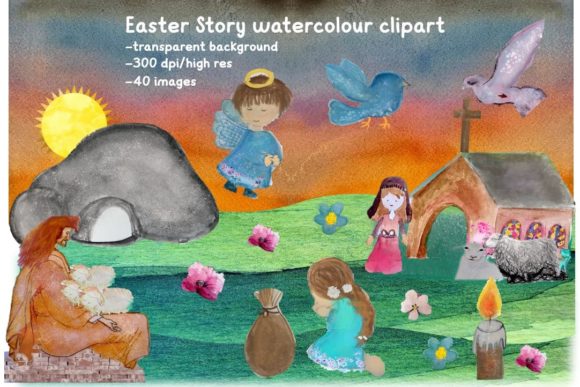
Not all clipart is created equal. When sourcing graphics for professional or educational use, one must evaluate the depth and versatility of the collection. A strategic approach involves selecting assets that offer narrative completeness. For instance, a robust set of Easter Story Watercolour Clipart should include not only the central figures like Jesus and the disciples but also contextual elements that ground the story in its historical and cultural setting.
Consider the importance of specific details included in high-quality collections:
- Narrative Anchors: Items such as the bag for coins, silver coins, and palm leaves provide tangible references to key plot points like Judas’ betrayal and the Triumphal Entry.
- Emotional Range: Multiple versions of characters, such as Mary Magdalene shown standing, kneeling, and sitting, allow creators to depict different emotional states and actions without needing advanced illustration skills.
- Symbolic Elements: Peace doves, candles, and crosses serve as visual shorthand for theological concepts, aiding in the reinforcement of lesson objectives.
By choosing a set that includes these varied elements, educators and creators reduce the time spent searching for individual components. This efficiency translates directly into productivity, allowing more time to be devoted to lesson planning and student interaction rather than asset hunting.
Applications Across Educational and Creative Channels
The utility of digital illustration extends far beyond the classroom wall. Strategic deployment of these assets can enhance branding, communication, and community engagement for churches, homeschooling families, and educational publishers.
Curriculum Development and Interactive Learning
Teachers can leverage these images to create custom resources that align precisely with their curriculum goals. Instead of relying on generic textbooks, educators can design personalized worksheets, flashcards, and storyboards. For example, using images of the tomb and stone alongside word art signs like "He is Risen" can help structure a timeline activity where students sequence events. The inclusion of diverse flowers, grass, and clouds allows for the creation of engaging background scenes that stimulate creativity in student-led projects.
Digital Content and Social Media Engagement
For ministry leaders and bloggers, visual consistency is key to building a recognizable brand. Using a distinct set of watercolour clipart across social media posts, email newsletters, and website banners creates a cohesive visual identity. During the Easter season, sharing slideshows featuring the journey from Palm Sunday to Resurrection Sunday can increase engagement. The aesthetic appeal of hand-painted art stands out in a feed saturated with stock photography, encouraging users to pause and reflect.
Resource Creation for Special Needs and Early Childhood
As noted by providers like EdukidsArt, the goal is to provide affordable, unique, and visually appealing content. For early childhood educators, the simplicity of watercolour forms helps in identifying objects without unnecessary detail clutter. Creating tactile books or sensory bins complemented by printed watercolour images can enhance multi-sensory learning experiences. The calming effect of the art supports emotional regulation, making it an ideal choice for environments where tranquility is prioritized.
Risks of Unintentional Usage and Mitigation Strategies
While Easter Story Watercolour Clipart offers significant benefits, relying on visual assets without a clear pedagogical or communicative strategy can lead to diminished impact. One common risk is the "decoration trap," where images are added solely for aesthetic purposes without reinforcing the learning objective. This can distract learners and dilute the core message.
To mitigate this, always ask: What purpose does this image serve? If an image of a donkey or a sheep head does not contribute to the understanding of the narrative or the thematic lesson, it may be superfluous. Strategic use means every visual element has a role, whether it is to evoke emotion, clarify a concept, or guide the viewer’s eye through a sequence.
Another consideration is cultural and theological accuracy. While watercolour is an interpretive medium, ensuring that depictions of figures like Pontius Pilate or the disciples respect historical and scriptural contexts is vital for maintaining credibility. Educators should review the imagery to ensure it aligns with their specific denominational or educational standards before widespread distribution.
Long-Term Value and Investment in Quality Resources
Investing in high-quality, comprehensive clipart sets is a long-term strategic decision. Unlike free, fragmented resources that may vary in style and quality, a curated collection from reputable sources like EdukidsArt provides reliability. The ability to reuse these assets across multiple years and projects maximizes return on investment. Moreover, owning the rights to use these images in commercial or educational products allows creators to build proprietary resources that can be shared or sold, adding value to their professional portfolio.
When evaluating such resources, consider the versatility of the file formats and the resolution. High-resolution graphic arts files ensure that images remain crisp whether used in a small handout or a large church banner. This flexibility future-proofs your content library, allowing you to adapt materials as technology and display methods evolve.
Conclusion: Intentionality in Visual Communication
The integration of Easter Story Watercolour Clipart into educational and creative workflows is not merely a design choice; it is a strategic decision that impacts how stories are told and received. By understanding the psychological effects of soft aesthetics, selecting comprehensive and versatile asset sets, and applying them with clear intent, creators can enhance learning outcomes, strengthen brand identity, and foster deeper emotional connections with their audience.
Whether you are a teacher aiming to make Bible stories accessible to special needs students, a marketer seeking to elevate seasonal content, or a creator building educational resources, the thoughtful use of these visual tools can significantly amplify your message. Move beyond random decoration. Embrace intentional visual storytelling to achieve better results in your educational and creative endeavors.