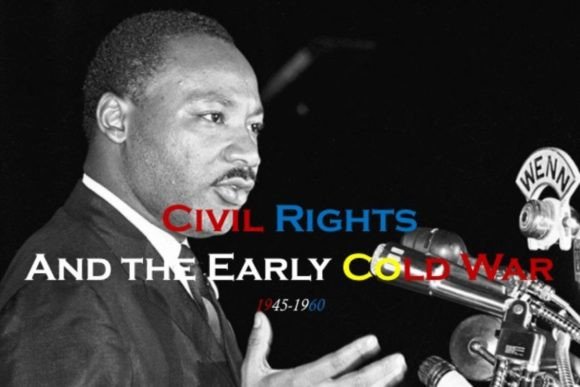
Civil Rights and the Early Cold War
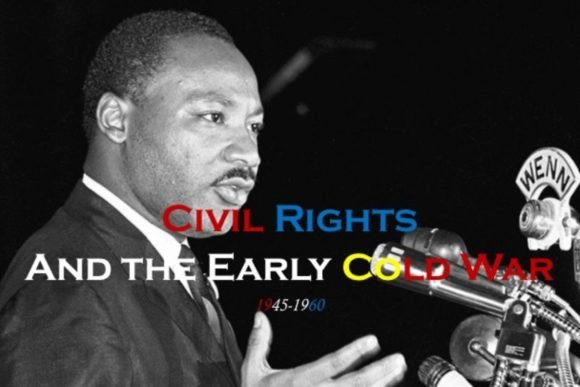
Understanding the intricate relationship between domestic social movements and international geopolitical tension is crucial for grasping modern American history. The period between 1945 and 1960 was not merely a time of economic expansion; it was a pivotal era where the fight for racial equality collided with the ideological battle against communism. Civil Rights and the Early Cold War Part I serves as an essential educational resource that unpacks this complex dynamic. Designed as a comprehensive PowerPoint presentation, it offers a visually engaging and thoroughly researched look at how the post-World War II landscape shaped the early civil rights movement.
Why This Historical Period Matters Today
Many people view the civil rights movement as a isolated domestic struggle, but the reality is far more interconnected. During the early Cold War, the United States sought to position itself as the global leader of the "free world." However, systemic racism and segregation at home provided potent propaganda material for the Soviet Union. This presentation highlights how foreign policy pressures inadvertently created openings for civil rights activists to demand change. For educators, students, and history enthusiasts, understanding this connection provides a deeper appreciation of why certain legislative and judicial victories occurred when they did.
The resource covers the years 1945 to 1960, a timeframe often overshadowed by the more famous events of the 1960s. Yet, this era laid the groundwork for everything that followed. From the desegregation of the military to the landmark Brown v. Board of Education decision, the foundations of modern equality were poured during these fifteen years. By exploring Civil Rights and the Early Cold War Part I, learners gain insight into the strategic calculations made by presidents, the courage of early activists, and the societal shifts that redefined American identity.
A Visual and Structured Learning Experience
One of the standout features of this presentation is its design philosophy. History can sometimes feel dense or abstract, especially when dealing with political theory and legal precedents. This PowerPoint mitigates that challenge by incorporating one to three high-quality images on every slide. These visuals are not mere decorations; they serve as primary sources that help contextualize the narrative. Whether it is a photograph of a protest, a political cartoon from the era, or a map showing demographic shifts, the imagery helps anchor the text in reality.
The content is organized into three distinct chapters, each addressing a critical aspect of the era:
- The Postwar Boom: This section explores the economic surge following World War II. It examines how prosperity was unevenly distributed and how the GI Bill, while beneficial for many, often excluded African Americans due to local discriminatory practices. Understanding this economic disparity is key to grasping the social frustrations of the time.
- Civil Rights: Here, the focus shifts to the organized efforts to dismantle segregation. The presentation details the strategies of groups like the NAACP, the rise of grassroots activism, and the legal battles that challenged the "separate but equal" doctrine. It provides a clear timeline of events that led to significant judicial victories.
- The Specter of the Apocalypse: This chapter delves into the psychological and political impact of the nuclear age and the Red Scare. It explains how the fear of communism influenced domestic policy, often stifling dissent but also forcing the government to address civil rights issues to maintain international credibility.
Ideal for Diverse Educational Settings
Whether you are a high school teacher looking for a ready-made lesson plan, a university lecturer seeking supplementary material, or a homeschooling parent aiming to provide a robust history curriculum, this resource is tailored to meet your needs. The 117 slides offer enough depth for a multi-day unit while remaining accessible enough for introductory courses. The file format is PPTX, which ensures compatibility with most modern presentation software, allowing for easy customization.
For adult learners and lifelong students, this presentation offers a concise yet thorough refresher on a critical period. It avoids overly academic jargon, making it suitable for those who want to deepen their historical knowledge without wading through dense textbooks. The narrative flow is logical and engaging, guiding the viewer through cause-and-effect relationships that are often missed in standard summaries.
Practical Applications for Educators and Creators
Beyond traditional classroom use, Civil Rights and the Early Cold War Part I has practical value for content creators and professionals. Bloggers focusing on history, politics, or social justice can use the structured information to craft informed articles or video scripts. The visual elements can inspire graphic design projects or serve as reference points for creating infographics. Because the research is already compiled and verified, users save significant time that would otherwise be spent cross-referencing multiple sources.
Small business owners and marketers who value corporate social responsibility may also find insights here. Understanding the historical roots of diversity and inclusion efforts can inform more authentic and knowledgeable internal training programs. The presentation illustrates how systemic change happens slowly and requires both legal action and cultural shift, a lesson relevant to any organization striving for equity today.
Things to Consider Before Using This Resource
While this presentation is a powerful tool, it is important to approach it with the right expectations. First, it is titled "Part I," indicating that it covers the foundational years up to 1960. It does not cover the later, more radical phases of the civil rights movement in the mid-to-late 1960s. Users should be prepared to supplement this material with additional resources if their curriculum or interest extends beyond 1960.
Second, while the presentation is thoroughly researched, history is always subject to interpretation. Educators are encouraged to use the slides as a starting point for discussion rather than the final word. Encouraging students to question the narratives presented and explore primary sources alongside the PowerPoint will enhance critical thinking skills. The visual nature of the slides supports this by providing concrete evidence that can be analyzed and debated.
Finally, consider the technical requirements. Ensure you have a compatible version of PowerPoint or a similar program that can handle PPTX files with embedded images. While the file is optimized for performance, having a stable digital environment will ensure a smooth presentation experience, especially in larger classrooms or lecture halls.
Enhancing Historical Literacy
In an age where misinformation spreads rapidly, having access to well-researched, clearly presented historical content is invaluable. Civil Rights and the Early Cold War Part I contributes to historical literacy by connecting dots between economics, foreign policy, and social justice. It reminds us that history is not a series of isolated events but a web of interconnected forces. By studying this period, we better understand the origins of contemporary societal structures and the ongoing journey toward equality.
For anyone interested in American history, this presentation offers a balanced, informative, and visually appealing way to engage with the past. It respects the intelligence of its audience while providing the scaffolding needed to understand complex historical dynamics. Whether used for teaching, learning, or professional development, it stands as a reliable and insightful resource for navigating the complexities of the post-WWII era.