World War II Part 21: Navigating the Complex Legacy of Ground Zero and the Cold War
Understanding the aftermath of the Second World War is not merely an exercise in memorizing dates or battlefields; it is a critical study of how modern geopolitical tensions were forged. World War II Part 21 - Ground Zero of the Cold War serves as a vital educational resource for those seeking to bridge the gap between the end of global conflict and the beginning of ideological division. This presentation delves into the uncomfortable truths of genocide, the rise of Holocaust denial, and the stark reality of a divided Germany. For educators, students, and history enthusiasts, leveraging this material correctly can transform a standard lecture into a profound learning experience.
However, many users approach such comprehensive historical resources with misconceptions that hinder their effectiveness. Whether you are a high school teacher, a university lecturer, or a homeschooling parent, avoiding common pitfalls in how you select and utilize this PowerPoint presentation is essential for maximizing its educational impact.
Misunderstanding the Scope of Historical Narrative
One of the most frequent mistakes educators make is treating World War II Part 21 - Ground Zero of the Cold War as a standalone summary rather than a nuanced exploration of specific, heavy topics. This 100-page PPTX file covers Chapters 10 through 12, focusing intensely on Holocaust deniers, enslavement, death camps, and the partition of Germany in 1951. A common error is assuming the content is light enough for passive viewing. It is not.
When instructors fail to prepare their audience for the gravity of chapters like "Enslavement and Death," they risk disengaging students or causing unnecessary distress without proper context. The presentation is thoroughly researched, meaning it does not shy away from the brutal realities of genocide. If you skip the preparatory discussions regarding the ethical implications of Holocaust denial, the material may feel disjointed or overly aggressive to learners who are not mentally prepared for the shift from military history to moral philosophy.
Better Approach: Before deploying these slides, frame the session around the concept of historical memory. Explain that understanding why people deny the Holocaust is just as important as understanding the events themselves. Use the visual aids—typically one to three pictures per slide—as conversation starters rather than mere decorations. This ensures the audience engages with the evidence critically rather than passively consuming tragic imagery.
Overlooking the Visual and Structural Design
Another significant oversight involves underutilizing the visual structure of the presentation. Many users download the file and project it without reviewing the flow of images and text. Given that this resource is designed with one to three pictures on every slide, the visual narrative is intentional. Ignoring this aspect leads to a disconnected lecture where the speaker talks over the images rather than integrating them.
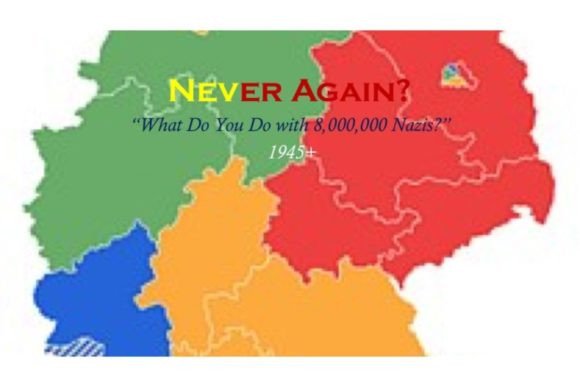
For instance, in the section covering West and East Germany in 1951, the visuals likely contrast the emerging political and economic landscapes of the two zones. If an educator rushes through these slides to get to the "text-heavy" facts, they miss the opportunity to show students how physical infrastructure and daily life diverged almost immediately after the war. This reduces the quality of communication and leaves learners with abstract concepts rather than tangible historical evidence.
Practical Advice: Spend time reviewing the image captions and sources within the PPTX. Ask yourself: What story is this specific photograph telling? How does it support the argument against Holocaust denial? By aligning your commentary with the visual cues, you enhance retention and keep the audience focused. This is particularly useful for adult education and higher education settings where critical analysis of primary sources is expected.
Neglecting Audience Appropriateness
While World War II Part 21 - Ground Zero of the Cold War is suitable for high school classes, higher education, and adult learning, it is not a one-size-fits-all tool. A common mistake is using the same delivery method for a group of homeschooling teenagers as one would for a university seminar. High school students may need more scaffolding to understand the complex political maneuvering that led to the Cold War, while adult learners might benefit from deeper discussions on the long-term societal impacts of genocide.
Failing to adjust the depth of discussion can lead to confusion or boredom. For younger audiences, the concept of "Holocaust deniers" might seem abstract or confusing without clear definitions of propaganda and misinformation. For professionals or entrepreneurs studying history for leadership lessons, the focus might need to shift toward how societies rebuild trust after systemic failure.
Solution: Customize your supplementary materials. If you are teaching high schoolers, provide a glossary of terms related to the Nuremberg Trials and the early United Nations. For adult education groups, facilitate a debate on the ethics of memory laws in modern Europe. This tailored approach ensures the content remains relevant and engaging for your specific demographic.
Ignoring the Technical and Legal Aspects
Before downloading or purchasing any educational resource, it is crucial to verify compatibility and usage rights. Some users assume that a PPTX file will open seamlessly on all devices without checking for embedded fonts or media compatibility. Additionally, there is often confusion about whether such materials can be modified or redistributed. Using copyrighted images or text without proper attribution in your own derived works can lead to legal issues and academic dishonesty charges.
Moreover, relying solely on this presentation without cross-referencing other sources can create an echo chamber. While the presentation is thoroughly researched, history is interpretive. Failing to compare its viewpoints with other scholarly works limits the educational value and may inadvertently present a single perspective as the absolute truth.
Checklist for Users:
- Verify that your software supports the latest PPTX features to ensure animations and transitions work as intended.
- Review the citation list within the presentation to identify primary sources for further reading.
- Confirm the license terms to understand if you can edit slides for your specific classroom needs.
- Supplement the content with recent academic articles on Cold War origins to provide a contemporary scholarly context.
Maximizing Educational Value Through Critical Engagement
The true power of World War II Part 21 - Ground Zero of the Cold War lies in its ability to provoke thought. The chapter on Holocaust deniers is not just about listing false claims; it is a case study in how misinformation spreads and why factual accuracy matters in public discourse. Educators should use this section to teach media literacy skills, showing students how to evaluate sources and identify bias.
Similarly, the discussion on West and East Germany offers a perfect platform for comparing economic systems and political ideologies. Instead of simply stating the differences, encourage learners to analyze the human cost of these divisions. How did families cope? What were the immediate economic challenges? By focusing on these human elements, you make the history relatable and memorable.
In conclusion, this presentation is a robust tool for anyone serious about understanding the transitional period between World War II and the Cold War. By avoiding the mistakes of superficial engagement, ignoring visual narratives, mismatching audience levels, and neglecting technical checks, you can unlock its full potential. Remember, the goal is not just to inform but to inspire critical thinking and a deeper appreciation for the complexities of historical truth. Use this resource wisely, and it will serve as a cornerstone for meaningful historical education.