The 1960s Part I: JFK & Culture
When we talk about the visual language of history, few decades offer as rich a tapestry as the 1960s. It was an era defined by sharp contrasts: the polished, optimistic modernism of the Kennedy administration clashing with the gritty, raw energy of the Civil Rights movement and the psychedelic explosion of counterculture. For educators, historians, and content creators, capturing this duality is essential. This is where The 1960s Part I - JFK, Civil Rights, Culture and Counterculture becomes an invaluable resource. It is not merely a collection of dates and names; it is a curated visual narrative that bridges the gap between academic rigor and engaging storytelling.
This comprehensive PowerPoint presentation serves as a robust foundation for anyone looking to teach or learn about this pivotal decade. With 123 thoroughly researched pages, it covers critical chapters including the people surrounding JFK, his administration’s policies, the Civil Rights movement from 1963 to 1968, Lyndon Johnson’s Great Society, and the sweeping cultural shifts from 1964 to 1980. But beyond the text, the visual structure of this asset offers lessons in effective communication design that extend far beyond the history classroom.
Visual Storytelling and Educational Design
In the world of editorial design and educational content, the balance between information density and visual appeal is delicate. The 1960s Part I - JFK, Civil Rights, Culture and Counterculture masters this balance by integrating one to three high-quality images on every slide. This approach prevents cognitive overload, a common pitfall in dense historical presentations. For teachers, lecturers, and homeschool parents, this means students are more likely to retain information when it is paired with relevant visual cues.
The presentation’s layout reflects a clean, professional aesthetic that mirrors the mid-century modern sensibilities of the era it describes. While it is not a premium font package or a typeface library itself, the way it utilizes typography and imagery demonstrates best practices in modern typography. The clear hierarchy allows viewers to distinguish between primary headlines, supporting details, and contextual imagery. This is crucial for maintaining audience engagement, whether you are presenting to high school students, university undergraduates, or adult education groups.
For content creators and bloggers, this structure offers a blueprint for creating digestible long-form content. Just as the presentation breaks down complex political maneuvers into manageable slides, your digital articles should break down intricate topics into scannable sections. The visual consistency found in this PPTX file reinforces brand credibility, a principle that applies equally to brand identity development and educational materials.
From Classroom to Creative Strategy
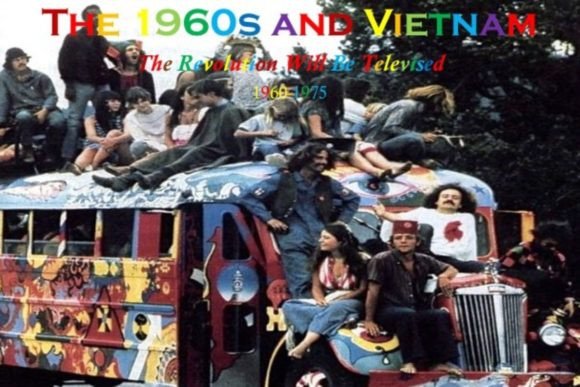
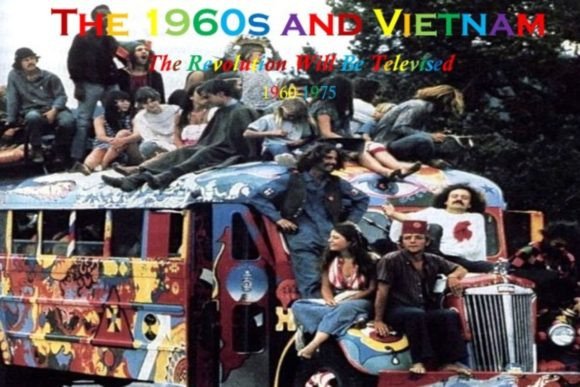
You might wonder how a history presentation relates to logo design, packaging design, or web design. The connection lies in narrative cohesion. The 1960s were a turning point for American brand identity. Companies began to move away from ornate, traditional styles toward cleaner, more direct communication. The 1960s Part I - JFK, Civil Rights, Culture and Counterculture captures this shift visually. When you study the slides covering JFK’s administration, you see the influence of Swiss Style graphic design—clean lines, sans serif clarity, and objective photography. Conversely, the sections on counterculture introduce organic shapes, bold colors, and experimental layouts.
Designers and marketers can use this presentation as a mood board reference. If you are working on a project that requires a vintage yet authoritative feel, look to the JFK chapters for inspiration. If your project aims to evoke rebellion, creativity, or social change, the counterculture sections provide ample visual data. Understanding these historical visual codes helps in creating authentic social media graphics and marketing campaigns that resonate with audiences who value historical accuracy and stylistic depth.
Moreover, the presentation’s thorough research saves you time. Instead of scouring multiple sources for accurate images and facts, you have a centralized, verified asset. This efficiency is vital for small business owners and freelancers who need to produce high-quality content quickly. By leveraging pre-researched materials, you can focus on the creative application of the information rather than the tedious process of data verification.
Practical Applications for Diverse Audiences
The versatility of The 1960s Part I - JFK, Civil Rights, Culture and Counterculture makes it suitable for a wide range of users. Here is how different professionals can maximize its value:
- Educators and Lecturers: Use the 123 slides as a core curriculum tool. The chapter breakdown allows for modular teaching. You can focus solely on "Civil Rights 1963-1968" for a specific unit or use the entire deck for a semester-long overview. The visual aids support diverse learning styles, helping visual learners grasp complex political dynamics.
- Content Creators and Bloggers: Extract key themes to create infographic series or blog posts. The clear segmentation of topics like "The Great Society" provides ready-made outlines for articles. Use the historical context to add depth to contemporary discussions on social justice and political policy.
- Designers and Brand Strategists: Analyze the visual evolution presented in the slides. Notice how political messaging shifted from the polished optimism of the early 60s to the gritty realism of the late 60s. Apply these insights to client projects that require historical authenticity or emotional resonance tied to specific eras.
- Homeschool Parents: The presentation is entertaining and comprehensive, making it ideal for self-paced learning. The included images spark conversation, allowing for deeper exploration of topics beyond the text.
When evaluating this resource, consider its file format. As a PPTX file, it is fully editable. This means you can customize the content to fit your specific needs. You can adjust the text, replace images if necessary, or integrate your own design assets. This flexibility ensures that the material remains relevant and personalized for your specific audience.
Enhancing Readability and Engagement
One of the standout features of this presentation is its commitment to clarity. In an age where attention spans are short, the ability to convey complex information quickly is a superpower. The slide design prioritizes readability, using sufficient contrast and spacing. This is a lesson in visual hierarchy that applies to all forms of communication. Whether you are designing a commercial font specimen or a corporate report, the principles remain the same: guide the eye, reduce noise, and emphasize key points.
Furthermore, the inclusion of cultural context alongside political history provides a holistic view. Understanding the music, fashion, and social movements of the 1960s enriches the understanding of political decisions. For marketers, this highlights the importance of cultural awareness. Successful brands do not exist in a vacuum; they respond to and shape the cultural zeitgeist. By studying how the 1960s culture influenced politics, you can better understand how current cultural trends might impact your brand’s reception.
In conclusion, The 1960s Part I - JFK, Civil Rights, Culture and Counterculture is more than a history lesson. It is a masterclass in visual communication, research synthesis, and narrative structure. For anyone involved in education, design, or content creation, it offers a wealth of insights and practical utility. By leveraging this thoroughly researched and visually engaging resource, you can enhance your projects with historical depth, professional polish, and compelling storytelling. Whether you are building a brand identity, teaching a class, or creating digital content, the lessons from this era—and this presentation—are timeless.