Unpacking the 1950s: How the Cold War Shaped Civil Rights and American Culture
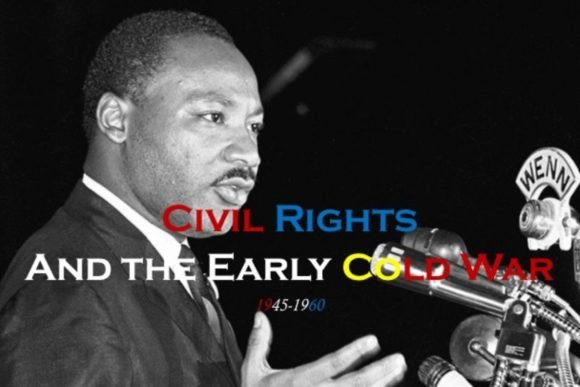
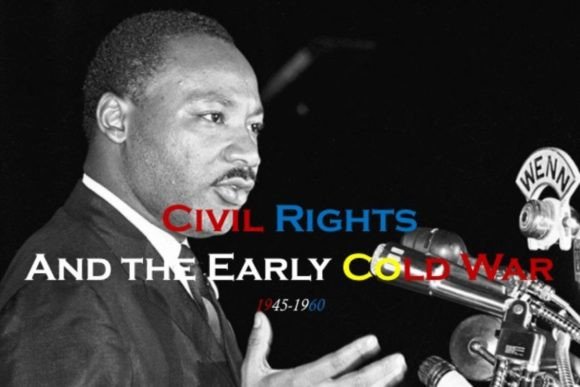
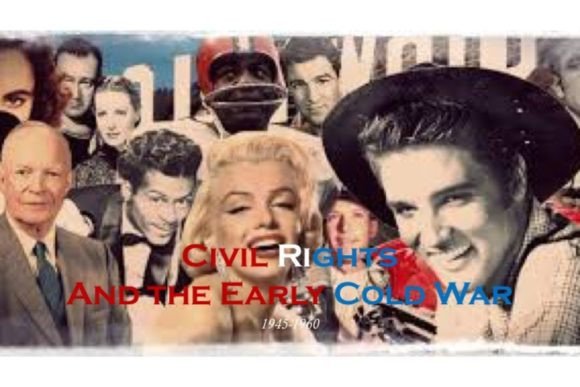
Understanding the intricate relationship between global geopolitics and domestic social change is essential for grasping the full scope of mid-twentieth-century American history. The period following World War II was not merely a time of suburban expansion and economic boom; it was a crucible where international pressure forged significant, albeit gradual, shifts in civil rights. Educational resources that delve into this era, such as Civil Rights and the Early Cold War Part II, provide a vital lens through which students and educators can examine these complex dynamics. This comprehensive presentation serves as an invaluable tool for high school classrooms, higher education seminars, and adult learning environments, offering a thoroughly researched look at how the Korean War, McCarthyist hysteria, and cultural conformity intersected with the burgeoning fight for racial equality.
The Korean War as a Catalyst for Integration
One of the most compelling aspects of this historical narrative is the role of the Korean War in accelerating military desegregation. While President Harry S. Truman had issued Executive Order 9981 in 1948 to end segregation in the armed forces, implementation was slow and met with resistance. However, the urgent demands of combat in Korea forced a practical reevaluation of manpower usage. The presentation highlights how the necessity for efficient troop deployment outweighed entrenched prejudices, leading to one of the most successful integration efforts in American history.
For educators teaching this module, it is crucial to emphasize that this was not solely a moral victory but a strategic imperative. The Soviet Union frequently pointed to American racial segregation as evidence of the hypocrisy of democratic ideals. By integrating the military, the United States aimed to bolster its image on the global stage. This section of the curriculum allows students to explore the concept of "soft power" and how domestic policies are often influenced by foreign policy objectives. The visual aids included in the slides help illustrate the stark contrast between segregated units in earlier conflicts and the integrated platoons that fought in the rugged terrain of the Korean peninsula.
Navigating the Age of Hysteria
The chapter titled "Hysteria" addresses the pervasive fear of communism that defined the early 1950s. This era, often synonymous with McCarthyism, created a climate of suspicion that impacted every facet of American life, including the civil rights movement. Many activists were accused of having communist ties simply because they advocated for racial equality, a tactic used by segregationists to discredit the movement. Understanding this dynamic is key to appreciating the courage required by early civil rights leaders who operated under constant threat of political persecution.
Civil Rights and the Early Cold War Part II does not shy away from these difficult truths. It provides context for why certain organizations were targeted and how the House Un-American Activities Committee (HUAC) investigations stifled dissent. For homeschool parents and lecturers, this content offers a rich ground for discussion about civil liberties, freedom of speech, and the dangers of political scapegoating. The presentation’s detailed research saves instructors hours of preparation time, ensuring that accurate historical data regarding blacklists, loyalty oaths, and high-profile trials is readily available.
Golden Decade or Dullsville? Reevaluating 1950s Culture
The popular imagination often paints the 1950s as a monolithic era of white picket fences, nuclear families, and unbridled consumerism. However, this surface-level view ignores the underlying tensions and the vibrant cultural shifts occurring beneath the veneer of conformity. The section "Golden Decade Or Dullsville" challenges students to look beyond the stereotypes. It explores how the economic prosperity of the post-war era was unevenly distributed, largely excluding African Americans and other minority groups from the benefits of the GI Bill and suburban housing loans.
This part of the presentation is particularly effective because it uses visual storytelling to contrast the advertised American Dream with the lived reality of many citizens. Images of bustling shopping malls are juxtaposed with photographs of segregated facilities and urban decay. This approach encourages critical thinking, prompting learners to question who exactly benefited from the "golden" aspects of the decade. It also highlights the emergence of counter-cultures, such as the Beat Generation, which began to challenge the status quo and lay the groundwork for the more explosive social movements of the 1960s.
Sowing the Seeds of the Sixties
Perhaps the most forward-looking component of the material is the chapter on the "Seeds of the Sixties." It draws a direct line from the legal victories and organizational strategies of the 1950s to the mass mobilizations of the following decade. The landmark Supreme Court decision in Brown v. Board of Education (1954) is analyzed not just as a legal ruling, but as a pivotal moment that energized activist networks. The presentation details how local communities organized boycotts, sit-ins, and legal challenges that would later become the hallmark of the Civil Rights Movement.
By framing the 1950s as a period of incubation rather than stagnation, the content helps students understand that social change is rarely instantaneous. It was during these years that leaders like Martin Luther King Jr. and Rosa Parks honed their philosophies of nonviolent resistance. The slides provide biographical insights and chronological timelines that make these connections clear and accessible. For adult education students, this perspective offers a nuanced view of activism, highlighting the importance of long-term strategy and community building.
Practical Benefits for Educators and Learners
For teachers and lecturers, the primary value of Civil Rights and the Early Cold War Part II lies in its readiness and depth. With 110 pages of content in a PPTX file format, it is designed to be flexible. Instructors can adapt the slides to fit specific lesson plans, whether they are focusing on military history, political science, or sociology. The inclusion of one to three pictures on every slide ensures that the visual engagement remains high, catering to diverse learning styles without overwhelming the viewer with text.
- Comprehensive Research: Saves time on fact-checking and source verification.
- Visual Engagement: High-quality images support narrative points and maintain student interest.
- Adaptability: Suitable for various educational settings, from high school to university levels.
- Thematic Depth: Connects disparate historical events into a cohesive narrative.
The file format is universally compatible, making it easy to integrate into existing digital workflows. Whether you are using a smartboard in a classroom or sharing screens during a remote lecture, the presentation functions seamlessly. Furthermore, the entertaining yet informative tone keeps audiences engaged, transforming what could be a dry recitation of dates and laws into a compelling story of human struggle and resilience.
Why This Historical Context Matters Today
Studying the intersection of civil rights and the Cold War is not just an academic exercise; it has profound relevance to contemporary issues. The tension between national security concerns and individual rights, the use of foreign policy to justify domestic changes, and the media's role in shaping public perception are all themes that resonate in today’s world. By understanding how these mechanisms worked in the 1950s, students gain tools to analyze current events with greater clarity and skepticism.
Moreover, the presentation underscores the importance of civic engagement. It shows how ordinary people, faced with systemic injustice and political pressure, found ways to effect change. This message is empowering for young learners, encouraging them to see themselves as active participants in democracy rather than passive observers. The detailed exploration of the Korean War’s impact on integration, for instance, demonstrates how external crises can create openings for internal reform, a lesson that remains pertinent in our rapidly changing global landscape.
In conclusion, Civil Rights and the Early Cold War Part II is more than just a PowerPoint presentation; it is a curated educational experience. It bridges the gap between complex historical scholarship and accessible classroom instruction. By covering the Korean War, the Red Scare, the cultural nuances of the 1950s, and the origins of the 1960s movements, it provides a holistic view of a transformative era. For anyone seeking to deepen their understanding of American history, this resource offers clarity, context, and critical insight, making it an indispensable addition to any history curriculum.