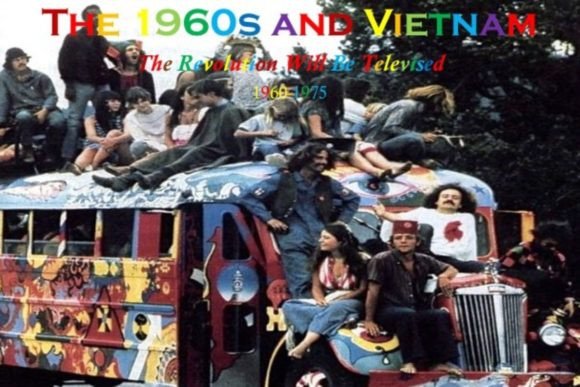
Revisiting the 1960s: Culture, Counterculture, and the Vietnam War Through a Modern Educational Lens
The 1960s remain one of the most turbulent, transformative, and visually arresting decades in American history. For educators, students, and lifelong learners, understanding this era requires more than memorizing dates; it demands a nuanced grasp of how political decisions intertwined with cultural shifts to reshape the national identity. The 1960s Parts I II - Culture and Counterculture Vietnam War serves as a vital resource in this endeavor. This comprehensive presentation offers a structured, deeply researched exploration of the political and cultural aspects of life in the USA during this pivotal period, making complex historical narratives accessible and engaging for diverse audiences.
In an age where attention spans are shortening and digital literacy is paramount, the format of historical education matters as much as the content. This 198-page PowerPoint presentation, designed for high school classes, higher education, adult education, and homeschool environments, bridges the gap between academic rigor and visual storytelling. By integrating one to three pictures on every slide, it ensures that the material is not only informative but also visually compelling, catering to modern learning preferences without sacrificing depth.
The Intersection of Politics and Personal Life
To truly understand the 1960s, one must look beyond the headlines and examine the human elements driving historical change. The presentation begins by focusing on The People Surrounding JFK and JFK’s Administration. This approach highlights how personality, charisma, and inner-circle dynamics influenced policy decisions that would ripple through the decade. For professionals and creators today, this section offers a case study in leadership and communication. It demonstrates how public perception is crafted and how political narratives are built, lessons that remain highly relevant in contemporary marketing, public relations, and corporate leadership.
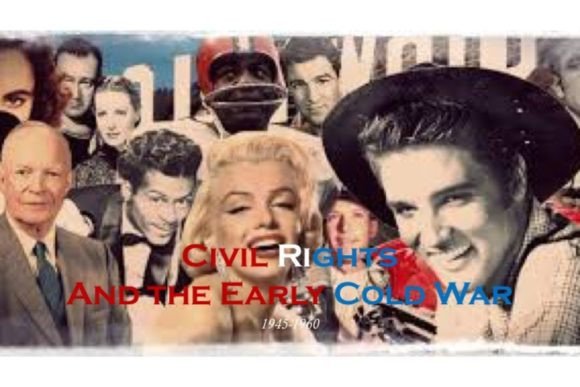
The transition from the Kennedy administration to the complexities of the mid-to-late 1960s is marked by significant social upheaval. The chapters on Civil Rights 1963-1968 and The Great Society provide a detailed look at the legislative and grassroots efforts that sought to dismantle systemic inequality. For educators and students, these sections are crucial for understanding the roots of modern social justice movements. They illustrate the slow, often contentious process of societal change, offering valuable context for current discussions on equity, policy reform, and civic engagement.
Culture as a Catalyst for Change
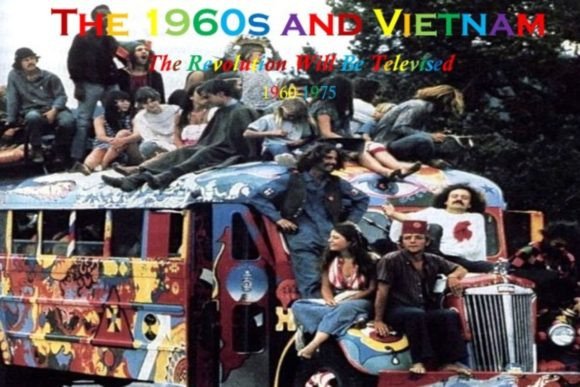
Perhaps the most resonant aspect of this era for modern audiences is the explosion of culture and counterculture. The chapter titled The 1960s Culture and Counterculture 1964-1980 explores how music, fashion, art, and lifestyle choices became forms of political expression. This was not merely a rebellion against authority; it was a redefinition of individual autonomy and community values. For creators, marketers, and entrepreneurs, this period offers rich insights into how subcultures form, how trends emerge from the margins to the mainstream, and how brands can authentically engage with shifting cultural currents.
The presentation does not treat culture in a vacuum. It connects the rise of the counterculture directly to the political climate, particularly the growing dissent against the war in Vietnam. This holistic view helps learners see the interconnectedness of art, politics, and daily life. It challenges the viewer to consider how their own creative practices or business strategies might be influenced by broader societal moods and ethical considerations.
Navigating the Quagmire: The Vietnam War
No discussion of the 1960s is complete without a thorough examination of the Vietnam War. The presentation dedicates significant attention to this conflict, breaking it down into manageable, chronological segments. President Johnson’s Vietnam War, 1963-69 details the escalation of U.S. involvement and the domestic fallout that followed. This section is particularly useful for understanding the consequences of policy decisions made without clear exit strategies or public consensus. It serves as a cautionary tale for leaders in any field about the importance of transparency, strategic clarity, and accountability.
The narrative continues with Does Nixon Win Vietnam 1969-1974 and concludes with The Fall of Saigon, 1974-1975. These chapters explore the complexities of diplomatic negotiations, the concept of "peace with honor," and the ultimate collapse of South Vietnam. For students of international relations, history, and political science, these sections provide a critical analysis of foreign policy failures and successes. They encourage critical thinking about the long-term impacts of military intervention and the challenges of nation-building.
Why Visual Learning Matters in Historical Education
In today’s digital-first world, the way information is presented can significantly impact retention and engagement. The 1960s Parts I II - Culture and Counterculture Vietnam War leverages the power of visual learning by incorporating one to three images on every slide. This design choice is not merely aesthetic; it supports cognitive processing by providing contextual clues and emotional anchors for the textual information. For teachers and lecturers, this means less time spent sourcing appropriate imagery and more time facilitating discussion and deeper analysis.
The thoroughly researched nature of the presentation ensures accuracy and reliability, adhering to principles of E-E-A-T (Experience, Expertise, Authoritativeness, and Trustworthiness). In an era of misinformation, having access to well-curated, fact-checked educational materials is invaluable. Whether you are a homeschool parent designing a curriculum, a university professor supplementing lectures, or an adult learner seeking to fill gaps in your historical knowledge, this resource provides a trustworthy foundation.
Practical Applications for Modern Learners and Professionals
Beyond its historical value, this presentation offers practical lessons for various professional fields. Marketers can study the propaganda techniques and media strategies used during the war and the civil rights movement to understand the power of messaging. Entrepreneurs can learn from the organizational structures of grassroots movements that successfully challenged established institutions. Educators can use the modular chapter structure to tailor lessons to specific learning objectives, whether focusing on political history, cultural studies, or ethical decision-making.
The file format, PPTX, ensures compatibility with most presentation software, allowing for easy customization. Users can adapt the slides to fit their specific teaching styles or presentation needs, adding their own notes, questions, or additional resources. This flexibility makes it a versatile tool for both formal education settings and informal learning groups.
Embracing Complexity in Historical Narrative
One of the strengths of The 1960s Parts I II - Culture and Counterculture Vietnam War is its refusal to simplify the past into binary narratives. It acknowledges the contradictions of the era: the idealism of the Great Society alongside the brutality of war; the push for unity in the civil rights movement against the fragmentation of the counterculture. This nuanced approach encourages learners to embrace complexity and ambiguity, skills that are increasingly important in navigating the multifaceted challenges of the modern world.
By exploring the period from the early Kennedy years through the fall of Saigon, the presentation provides a coherent arc that helps learners connect disparate events into a meaningful whole. It shows how decisions made in Washington echoed in living rooms across America and on battlefields halfway around the world. This global perspective is essential for developing a mature understanding of American history and its place in the wider world.
For anyone seeking to deepen their understanding of this transformative decade, this presentation offers a balanced, insightful, and visually engaging pathway. It invites users to not just learn about history, but to reflect on its enduring legacy and relevance to contemporary life. Whether you are analyzing leadership styles, studying social movements, or simply curious about the roots of modern American culture, this resource provides the depth and clarity needed to make sense of the 1960s.