Understanding Life in Militaristic Japan: A Deep Dive into WWII History
The study of the Second World War often focuses heavily on battlefield strategies, troop movements, and the geopolitical shifts that redrew the map of the modern world. However, to truly grasp the magnitude of this global conflict, one must look beyond the front lines and examine the societal engines that fueled the war machines. World War II Part 6 - Life in Militaristic Japan offers a critical lens through which we can understand the internal dynamics of the Japanese Empire during its most aggressive expansionist phase. This resource is not merely a collection of dates and names; it is a comprehensive exploration of the political, cultural, and social fabric of Japan between 1931 and 1941, a decade that defined the nation’s trajectory toward total war.
For educators, students, and history enthusiasts, finding materials that balance academic rigor with engaging presentation can be challenging. Many textbooks skim over the domestic realities of Axis powers, focusing instead on the Allied perspective. This presentation fills that gap by providing a thoroughly researched, visually rich, and narratively compelling account of life under militarism. With 87 pages of content formatted in PPTX, it serves as an indispensable tool for high school classes, higher education lectures, adult education programs, and homeschool curricula.
The Scope of Historical Analysis
The period from 1931 to 1941 was transformative for Japan. It began with the Mukden Incident and the subsequent invasion of Manchuria, marking a decisive break from the democratic experiments of the Taisho era. By the time the attack on Pearl Harbor occurred in 1941, Japan had evolved into a highly centralized, militaristic state where civilian life was inextricably linked to the war effort. World War II Part 6 - Life in Militaristic Japan dissects this evolution chapter by chapter, ensuring that learners understand not just what happened, but why it happened and how it affected ordinary citizens.
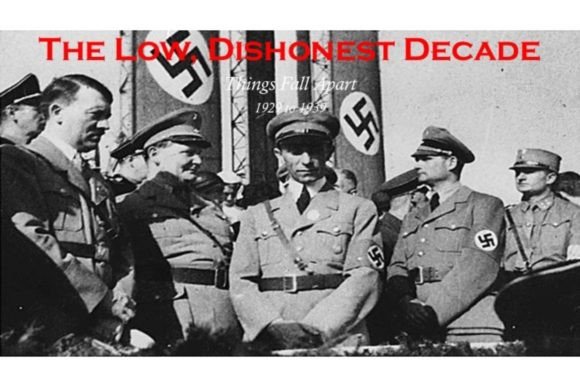
The presentation is structured to provide context before diving into specifics. It begins by situating Japan within the broader framework of the war, examining the roles of Allied Military Leaders and the ideological foundations of The Nazis. While these topics might seem distinct from Japanese domestic life, they are crucial for understanding the global pressure cooker in which Japan operated. The rise of fascism in Europe influenced political thought in Tokyo, while the strategic decisions of Allied commanders dictated the defensive and offensive postures Japan had to adopt. By covering Chapters 7, 8, and 9, the material provides a holistic view of the war’s major actors, allowing for comparative analysis that deepens historical understanding.
Visual Learning and Engagement
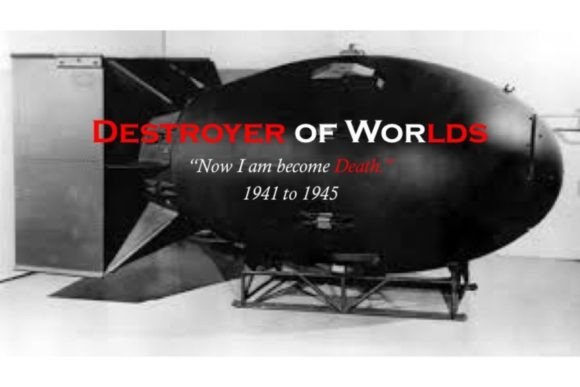
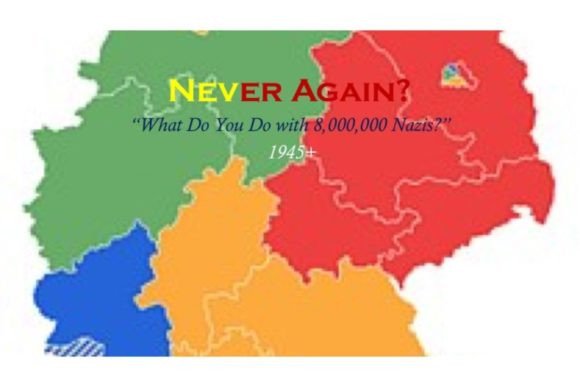
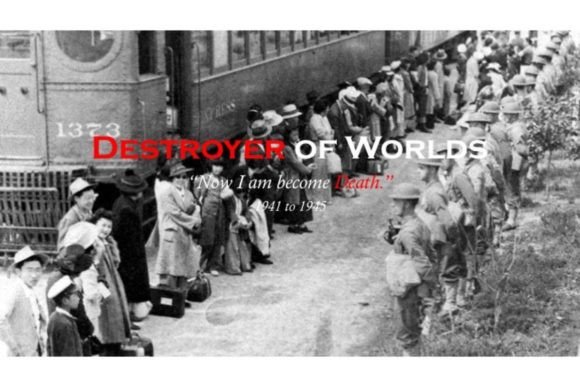
One of the standout features of this resource is its commitment to visual storytelling. History is not just text; it is images, artifacts, and maps. Each slide in the presentation includes one to three carefully selected pictures that reinforce the narrative. For visual learners, this approach is invaluable. Images of propaganda posters, daily life in urban centers, military parades, and rural hardships bring the text to life. These visuals are not decorative; they are evidentiary, offering primary source material that students can analyze directly.
For teachers, this means less time spent searching for appropriate images and more time facilitating discussion. The thorough research behind the selection ensures that the images are historically accurate and relevant. Whether you are explaining the concept of kokutai (national polity) or the rationing systems implemented during the war, the accompanying visuals provide immediate context. This reduces the cognitive load on students, allowing them to focus on interpreting the historical significance rather than struggling to visualize abstract concepts.
Educational Versatility and Application
The flexibility of World War II Part 6 - Life in Militaristic Japan makes it suitable for a wide range of educational settings. Its design acknowledges that different audiences have different needs. Here is how various groups can benefit from this resource:
- High School Teachers: The content aligns with standard curriculum requirements for World History and US History courses. It provides a structured narrative that can be broken down into single-class lessons or used as a multi-day unit. The clear headings and bullet points make it easy to create handouts or study guides.
- University Lecturers: For higher education, the presentation serves as a robust foundation for seminar discussions. While undergraduate students may need additional reading, the PPTX format provides an excellent scaffold for lectures on Asian studies, political science, or military history. The depth of research allows professors to dive deeper into specific topics without having to build the basic framework from scratch.
- Homeschool Families: Parents educating their children at home often struggle to find comprehensive, reliable resources. This presentation offers a complete package that is both informative and entertaining. The engaging format keeps students interested, while the factual accuracy ensures educational standards are met.
- Adult Learners and History Buffs: For those pursuing lifelong learning, this resource offers a concise yet detailed overview. It is ideal for book clubs, community college courses, or personal study. The focus on cultural aspects provides a fresh perspective for those who may already be familiar with the military chronology of the war.
Key Themes and Cultural Insights
What sets this presentation apart is its focus on the human element of history. Chapter 9, which specifically addresses life in militaristic Japan, explores how the government mobilized society. It examines the role of education in instilling loyalty, the suppression of dissent, and the economic sacrifices demanded of the populace. Students learn about the Imperial Rule Assistance Association, the neighborhood associations (tonarigumi), and the pervasive influence of State Shinto.
These topics are essential for understanding how totalitarian regimes function. They reveal the mechanisms of control and the ways in which individuals navigated a society under constant surveillance and pressure. By exploring these themes, learners develop critical thinking skills that are applicable beyond history class. They begin to recognize patterns of propaganda, nationalism, and social conformity that resonate in contemporary political discourse.
Practical Considerations for Users
When evaluating educational materials, it is important to consider both strengths and limitations. World War II Part 6 - Life in Militaristic Japan is a powerful tool, but like any resource, it should be used thoughtfully. The file format is PPTX, which is widely compatible with Microsoft PowerPoint, Google Slides, and other presentation software. This ensures accessibility for most users. However, educators may want to customize the slides to fit their specific teaching style or local curriculum standards. The 87-page length provides ample detail, but it also requires careful pacing. Rushing through the material may overwhelm students, so it is advisable to select key sections for in-depth analysis while summarizing others.
Another consideration is the sensitivity of the subject matter. The history of Japanese militarism involves difficult topics, including war crimes, colonial oppression, and human rights abuses. Educators should approach these topics with care, fostering an environment of respect and open dialogue. The presentation’s balanced and researched approach helps facilitate this, but the teacher’s role in guiding discussion remains crucial. It is not enough to present facts; one must also encourage empathy and ethical reflection.
Integrating with Broader Curricula
To maximize the value of this resource, it should be integrated with other materials. For instance, pairing the slides on Allied Military Leaders with biographies of figures like Douglas MacArthur or Chester Nimitz can provide a counterpoint to the Japanese perspective. Similarly, comparing the Nazi ideology discussed in Chapter 8 with Japanese imperial ideology can highlight both similarities and differences in fascist movements. This comparative approach enriches the learning experience and helps students see the interconnectedness of global events.
Furthermore, the presentation can serve as a springboard for project-based learning. Students could be tasked with researching specific aspects of daily life in 1930s Japan, such as fashion, food, or entertainment, and presenting their findings. Alternatively, they could analyze primary source documents referenced in the slides, developing their skills in historical interpretation and evidence evaluation.
Conclusion: A Valuable Resource for Historical Understanding
In an era where information is abundant but attention is scarce, World War II Part 6 - Life in Militaristic Japan stands out as a curated, high-quality educational asset. It saves teachers and learners countless hours of research while delivering a nuanced and engaging narrative. By focusing on the intersection of politics, culture, and daily life, it offers a deeper understanding of how nations mobilize for war and how individuals survive within those systems.
Whether you are a seasoned educator looking to refresh your lesson plans, a student seeking clarity on a complex topic, or a lifelong learner driven by curiosity, this presentation offers significant value. It transforms dry historical facts into a vivid story of human experience, challenge, and resilience. As we continue to navigate a complex global landscape, understanding the past remains one of our most powerful tools. This resource ensures that the lessons of World War II, particularly those from the Pacific theater, are not forgotten but are instead examined with the depth and respect they deserve.
For those ready to enhance their historical knowledge or teaching toolkit, downloading this comprehensive PowerPoint is a practical step toward deeper engagement with world history. It is more than just a slide deck; it is a gateway to understanding one of the most pivotal periods in human civilization.